This whole episode came about because of a request by someone who wanted to hear the story behind a song. Unfortunately there wasn’t a lot to it, but it got me thinking about other songs with similar subject matter. And now that I’m typing this, I realize that all the songs I discuss came from roughly the same period of time. What the hell was going on in the late 70s, anyway?
Ah, well. With this episode I feel as though I’ve bookended a series that I started all the way back in Episode 80. Here’s a couple of panels from a Sunday Doonesbury strip from 1979. Nerd that I was (OK, am), I remember when this first appeared:
For what it’s worth, “Songs about prostitutes” is a well I could come back to repeatedly. I’m not sure I have the mental stamina to do so, frankly.
John Hall, you may remember from a couple of episodes ago, is the founder of the band Orleans. He recently released a solo album, his seventh (if you count the John Hall Band material). After spending some time in local and national politics, he returned to Orleans and they’re still making music. In fact, at the time of the previous interview they were putting the finishing touches on Orleans’ first Christmas album.
That album is now finished and is available for your purchasing and listening pleasure. It’s called New Star Shining, and it’s a great piece of work. There’s a lot of original material, a traditional Christmas carol and a single song from more recent holiday music canon. For lack of a better term, it’s a kind of Yacht Rock Christmas album. I think the rowdiest track on it is their version of “Winter Wonderland.”
John and I met in the atrium of a Nashville hotel (more details during the show itself), and I do hope you’ll forgive a little ambient noise. Plus, there was a little bit of both of us fidgeting with our handheld microphones. For all that, once again John comes through as a very thoughtful fellow. By that I mean he’s not spouting out canned answers to the questions I asked (although some of them were inadvertentely rehearsed–my recorder failed and we had to start over again). And even with that technical glitch, he was both gracious and forgiving, and managed to make me feel not as stupid as I originally felt when I looked at the recorder in horror and realized what happened.
Also, I’m a complete idiot because I didn’t ask for an autograph, or a selfie of the two of us, or anything. So this recording is the only evidence that we were in the same space together.
As an aside, the next day I was in the Podcast Movement conference and chatting with the people from ElectroVoice Microphones. I was using some new EV microphones for the interview. I told them about my interview “right over there in the atrium,” and some of the issues I had with the fidgeting noises and such. While we chatted, one of the EV reps walked away and then came back. He handed me a box and said, “Here, try this one.” It was a different model microphone, which he said would probably solve that problem. Boom! Free microphone! I used it to record some other material you’ll hear in an upcoming episode and I think you’ll notice the difference! This is why I worship at the Church of ElectroVoice. I did get the opportunity to thank them again a couple of days later.
So here is my follow-up interview with John, which we did during the first week of August this past summer. Enjoy!
I gotta tell you, I’ve been trying like a maniac to record this episode for several days.
I typically take a break in August when I go to the Podcast Movement confab (every other year, it seems), and I come back with a bunch of actionable ideas and a few new contacts, and I kind of have to let it percolate in my head before I’m ready to come back.
In the meantime, I was working on a David Bowie episode, and I frankly got writer’s block. I was going in a hundred directions at once, and the story wasn’t jelling right for me, so finally I abandoned it in favor of this one.
And then, both of the computers that I use to produce this show died on me within a day of one another. I knew they were probably fixable, so I took them to my local shop, a guy I’ve used for years and would trust with my search history at this point. My problem is that he’s really, really good and other people have figured it out, so now instead of a few days, the repairs are more like two weeks.
I decided to persevere–after all, I don’t use the desktops when I’m in the Southern Studio, right? But for whatever reason, the laptop wasn’t cooperating with recording. I sounded bad. I mean, really bad. After three fixes and three re-tries, it still sounded terrible. But fortunately, I got the word that the computers were ready for pickup this morning. So I spent a chunk of the evening re-assembling my studio (with the able help of my daughter), and then re-re-re-recorded the show. By this point I nearly had the thing memorized and I barely glanced at the script.
Anyway, it’s been a frustrating few weeks and I thank you for hanging in there with me. I do have some cool stuff coming up over the next few episodes, some of it related to my trip to Nashville. I also have something that I’ve never done before: I’m working on a special Patron Exclusive episode which should be ready to go pretty soon. I had a pretty cool idea but it cost me a few bucks to get the source material, so I figured that the people whose donations made it possible for me to make that purchase should get first crack at it. And, incidentally, during this hiatus they got a newsletter every week except one, when I made the inexplicable mistake a couple of weeks ago of writing a newsletter and then not sending it out.
Last week I was ensconced at the Gaylord Opryland Hotel in Nashville, Tennessee, for the Podcast Movement conference. I also decided to stick around for a couple of extra days to soak up some Nashville culture and poke around through some used record stores. Here’s a little bit of my exploits.
Believe it or not, that’s the least crummy thumbnail that YouTube made available.
John Hall has been around the block a few times, and he’s not finished traveling.
In fact, when he and I chatted via Skype a short time ago, he was in the middle of a move from New York to Tennessee, and making that move in between gigs for both his solo shows and with the band that cemented his position in the Rock and Roll firmament, Orleans.
In this episode we talk about the early days of his career, including how a couple of Orleans’ first few hits came to be. We also get into his time away from the band, working on solo projects and how that turned into dedicating himself to environmental causes. And how that, in turn, provided the impetus for him to embark on a political career for several years. He managed to sponsor some legislation that not only received vocal bipartisan support, it actually passed with a bipartisan vote. It was a pretty significant piece of law, and he’ll tell you about it during the show.
After a health scare, John returned to playing music, both with Orleans and with his solo projects. He chronicled his journey in a book called Still the One: A Rock and Roll Journey to Congress and Back a couple of years ago, and this past year he released a solo album called Reclaiming My Time. (These are Amazon links but I don’t get affiliate money for them.) And during the interview he also talks about a special project that Orleans is working on, which will be coming out in the fall.
During the interview, I made mention of Orleans performing “Dancing in the Moonlight” and mistakenly said I thought the clip was from the late 70s, when they first covered it as the title track for an album. In fact, that performance was from 2006 and I present it here:
Olivia Newton-John was already a pretty big star by the time 1974 rolled around, but she still hadn’t scored a Number One hit.
Then along came Peter Allen, who was coincidentally also from Australia. Allen was putting together an album of his own, and he enlisted Jeff Barry to help him with the songwriting. Together they put together “I Honestly Love You” and cut a demo. The intent of the demo was to have something to work from when they recorded it for the album.
Instead the demo wound up in the hands of Olivia Newton-John’s producer, who played it for the singer. And the rest, as they say, is history.
Except, not quite. There were a couple of other things that needed to happen. But if I told you here, why would you bother listening to the episode? I ask you!
Because this episode is running a few days late, you’re getting a treat: Episode 146, which will be an interview with John Hall, founder of the band Orleans, will drop either Monday or Tuesday, depending on how quickly I finish my post-production. Hall was a terrific interview and I hope to do a follow-up with him in the near future.
The interesting thing about this song is that it was written for a specific singer. That said, it’s been a pretty big hit for many different artists over the years.
“Everlasting Love” was written in 1967 specifically to match Robert Knight’s voice, but it’s proven to be quite the malleable tune. It’s been rendered in R&B, in disco, in rock, in techno and god knows what else.
So the story behind the song isn’t incredibly interesting. Interesting, but not incredibly so. But the journey it’s taken to embed itself in the hearts of different generations is a fun one. Ride along with me, why don’t you?.
This is not the episode that I teased earlier. That one’s still coming; there’s an interview attached to it and we’ve had some scheduling issues.
As promised, here’s the video of the song by Sandra from 1987. It’s got a very 80s feel to it. I think that comes from the editing and the “backstage” feel it’s supposed to be conveying. I dare you to tell me I’m lying about the Natalie Wood thing:
My original plan for this week’s episode changed when something happened over the weekend that could really make the episode much, MUCH better. So I’ve temporarily pushed that one back a couple of weeks, which means assembling a different episode entirely from scratch. So in that respect, I should have a new episode out tomorrow, just a couple of days late.
I know I’m being a little bit cryptic, but I’ve been burned on this thing before, so if it doesn’t work out then it’s no harm/no foul and I do the episode as originally planned. And if it does…you’re in for a treat.
Since I was a young adult, I’ve liked listening to Janis Joplin. That bluesy rasp she always had going on really underlined her overall sound. And like so many others my age, I devoured her biography Buried Alive. One of the things that struck me then was the way so many of the people from her hometown of Port Arthur, Texas, thought she’d ruined her voice because she’d sounded sweeter and purer as a teenager. Of course, they also bullied the hell out of her because she had an artistic mindset and she wasn’t a racist at heart. (She did drop the N-bomb from time to time because it was originally the only word she had in her vocabulary for Black people.)
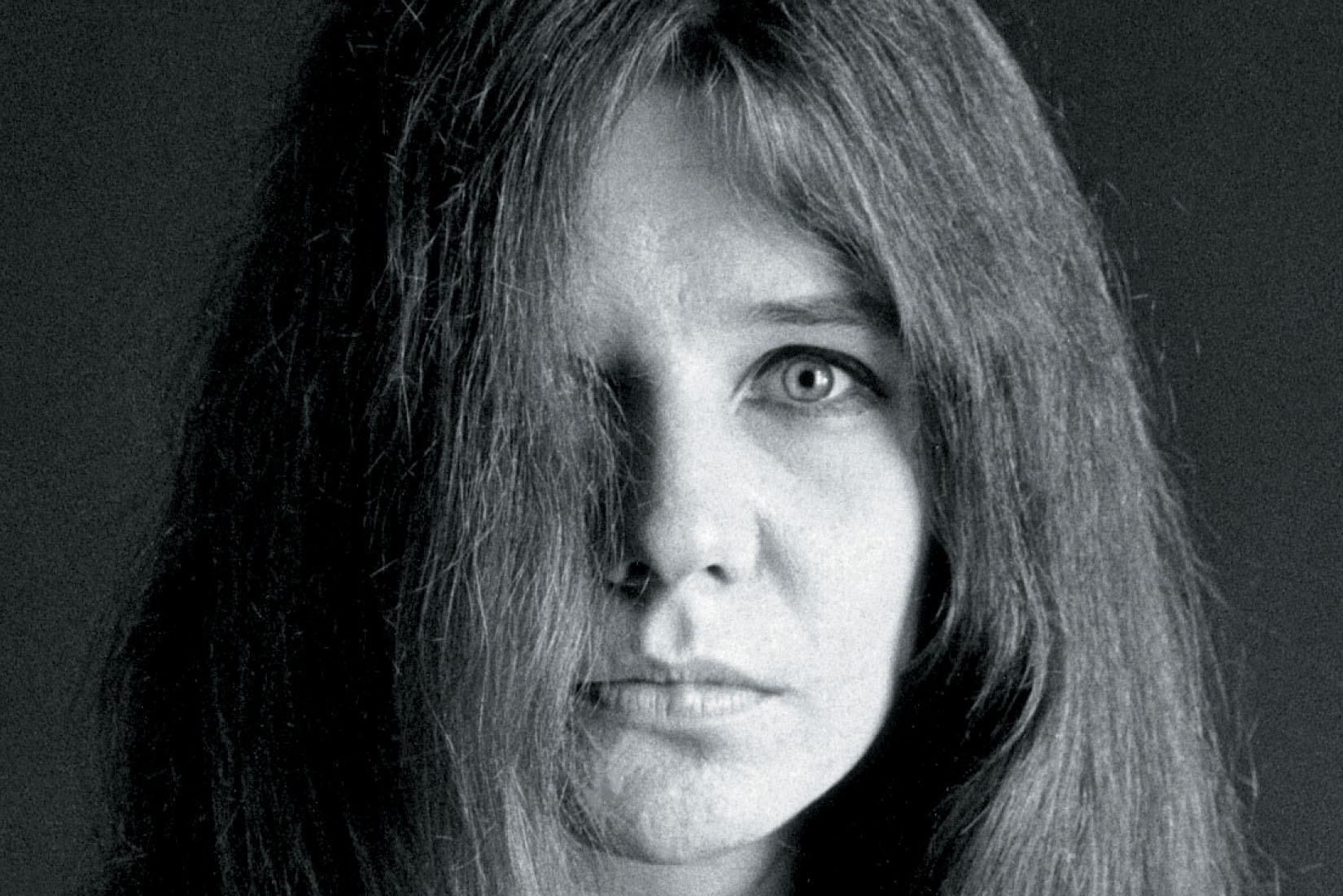
The other thing that struck me was that in all of her photos she seemed like kind of a mess. Her hair was everywhere. She wore a million beaded necklaces. She had the baggy, shapeless clothes on. In short, she looked kind of scuzzy and while it kind of matched her sound, it belied the emotion behind her delivery. It wasn’t until a few years ago when I saw a black-and-white nude she’d done in 1967, that I was able to see her differently.
In that image, taken by Bob Seidemann but not released until after her death, her hair is a little more under control. She’s still wearing lots of necklaces, but now they’re nearly her only defense against the camera’s eye. She’s got some curves going on that you never suspected were there. But her face…her face is an expression of vulnerability, maybe even fright. You can see it in the cropped closeup to the right which I’m pretty sure is from the same session. Janis was always artistically naked on the stage, but now she was giving us a literal nakedness that allowed the young woman behind the bawdy broad to shine through.
And I think that might be at the heart of her rendition of “Me and Bobby McGee.” Janis was able to channel more of a bittersweet sound than her usual Kozmic Blues thing, and then when the band opens up toward the end of the record, she’s just along for the ride.
This week I’ve got something extra-special for you. It’s an interview with Anthony Robustelli, whom I got to speak with recently via Skype.
Anthony is a musician who has toured with lots of big-name performers, he’s written books about Steely Dan and The Beatles (with more to come currently on the back burner), he’s got a Beatles-based podcast that takes a whole new look at them, and his latest project is a 3D animated rock opera that takes place in the ashes of the 2016 election. Whether your politics lean red or blue, you’ll probably find it fun (though admittedly it’s a little more fun for the blue crowd).
This is a longer episode than usual—just a shade over an hour, total—but my hope is that you’ll have as much fun listening as I had chatting.
If you want to encounter him elsewhere on the web:
And last but not least, here’s the direct link to his podcast, which is back up and running as of today! You should also be able to find it in Podcast Republic or your favorite podcatcher software: https://shadybearbklyn.podbean.com/
Contains information related to marketing campaigns of the user. These are shared with Google AdWords / Google Ads when the Google Ads and Google Analytics accounts are linked together.
90 days
__utma
ID used to identify users and sessions
2 years after last activity
__utmt
Used to monitor number of Google Analytics server requests
10 minutes
__utmb
Used to distinguish new sessions and visits. This cookie is set when the GA.js javascript library is loaded and there is no existing __utmb cookie. The cookie is updated every time data is sent to the Google Analytics server.
30 minutes after last activity
__utmc
Used only with old Urchin versions of Google Analytics and not with GA.js. Was used to distinguish between new sessions and visits at the end of a session.
End of session (browser)
__utmz
Contains information about the traffic source or campaign that directed user to the website. The cookie is set when the GA.js javascript is loaded and updated when data is sent to the Google Anaytics server
6 months after last activity
__utmv
Contains custom information set by the web developer via the _setCustomVar method in Google Analytics. This cookie is updated every time new data is sent to the Google Analytics server.
2 years after last activity
__utmx
Used to determine whether a user is included in an A / B or Multivariate test.
18 months
_ga
ID used to identify users
2 years
_gali
Used by Google Analytics to determine which links on a page are being clicked
30 seconds
_ga_
ID used to identify users
2 years
_gid
ID used to identify users for 24 hours after last activity
24 hours
_gat
Used to monitor number of Google Analytics server requests when using Google Tag Manager
1 minute
Marketing cookies are used to follow visitors to websites. The intention is to show ads that are relevant and engaging to the individual user.
Facebook Pixel is a web analytics service that tracks and reports website traffic.
Registers a unique ID on mobile devices to enable tracking based on geographical GPS location.
1 day
VISITOR_INFO1_LIVE
Tries to estimate the users' bandwidth on pages with integrated YouTube videos. Also used for marketing
179 days
PREF
This cookie stores your preferences and other information, in particular preferred language, how many search results you wish to be shown on your page, and whether or not you wish to have Google’s SafeSearch filter turned on.
10 years from set/ update
YSC
Registers a unique ID to keep statistics of what videos from YouTube the user has seen.
Session
DEVICE_INFO
Used to detect if the visitor has accepted the marketing category in the cookie banner. This cookie is necessary for GDPR-compliance of the website.
179 days
LOGIN_INFO
This cookie is used to play YouTube videos embedded on the website.