
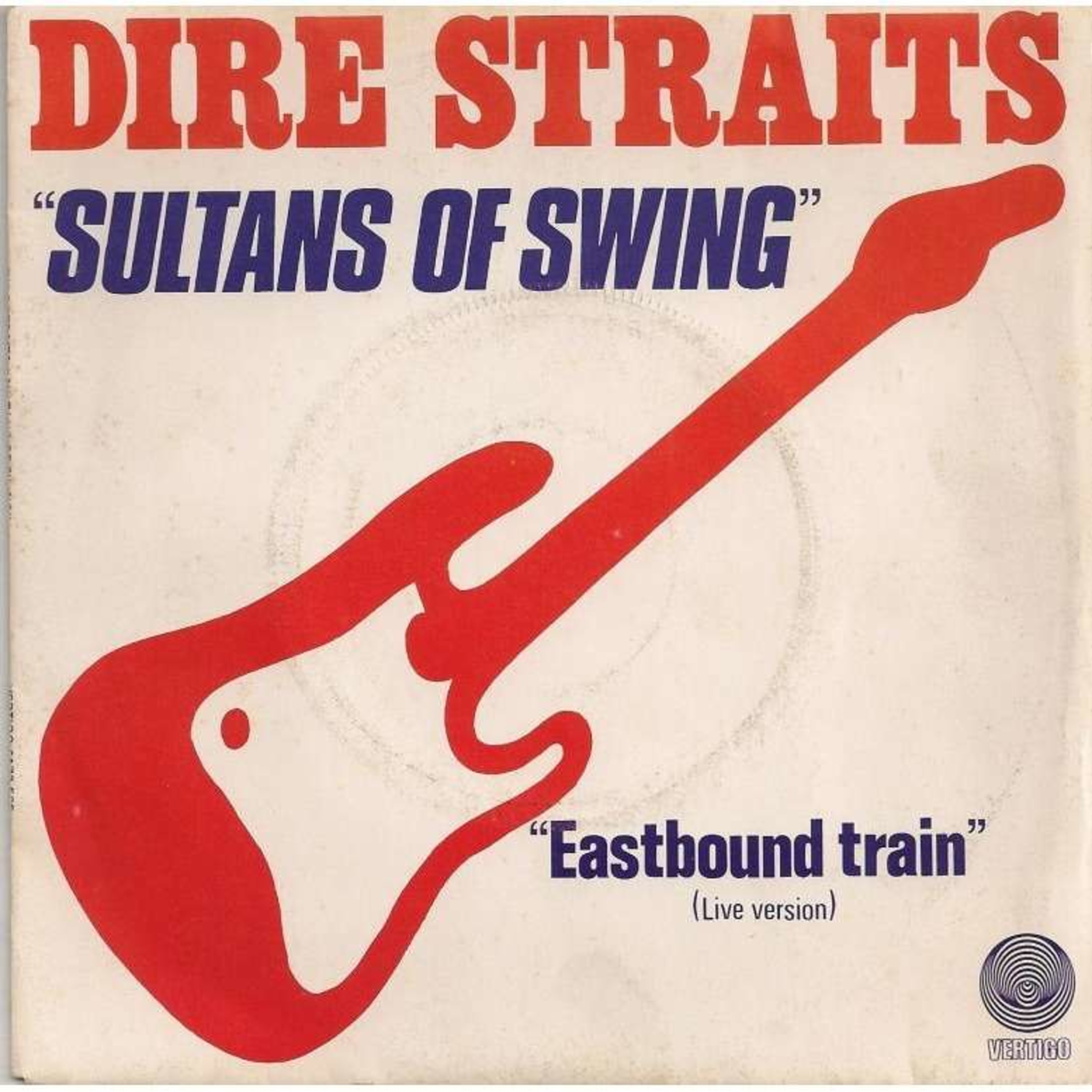
Mark Knopfler sees a band performing to a nearly-empty house in a South London pub, and turned the experience into Dire Straits’ breakout single.
Podcast: Play in new window | Download (Duration: 11:14 — 9.1MB)

Mark Knopfler sees a band performing to a nearly-empty house in a South London pub, and turned the experience into Dire Straits’ breakout single.
Podcast: Play in new window | Download (Duration: 11:14 — 9.1MB)
:format(jpeg):mode_rgb():quality(40)/discogs-images/R-6480860-1426115824-8600.jpeg.jpg) Ugh. I really hate doing this, but there’s no show this week. I’ve got an upper respiratory infection, which I think you were able to hear a little bit of last week, but it’s really affected both my voice and my ability to concentrate.
Ugh. I really hate doing this, but there’s no show this week. I’ve got an upper respiratory infection, which I think you were able to hear a little bit of last week, but it’s really affected both my voice and my ability to concentrate.
If it clears up faster than I anticipate, I’ll record and release a show mid-week, with another next Saturday. Otherwise it’ll be next week.
In the meantime, I leave you with this. Please don’t hate me.

By the time early 1965 came around, the Rolling Stones were certainly in the realm of a band that had paid their dues. They’d spent time touring the UK to build up a following there, they’d been to the US once without a hit, which wasn’t an especially successful tour, and they’d been there a second time, a trip that went much better. However, during that tour there were still a few mishaps, and that, plus a guitar riff that Keith Richards literally wrote in his sleep, transformed the Rolling Stones from Just Another British Band Covering American R&B tunes, into a genuine worldwide phenomenon.

The time from concept to release was a little over a month, and from release to the top of the charts (in the US, anyway) was only another few weeks. The song dominated the Billboard Hot 100 for the entire month of July 1965, and became the #3 song of the year, behind “Wooly Bully” (Wooly Bully? Really? That was #1?) and “I Can’t Help Myself (Sugar Pie Honey Bunch)”.
Your favorite podcatcher may have it by now, but if not, you can always listen to, or download, the episode here:
You can also find the show in the Google Play Music store or in iHeartRadio. I’m still working on Spotify, but they take a long time to make the yes/no decision. In the meantime, please take the time to leave a rating wherever you’re listening. And thanks for continuing to support the show!
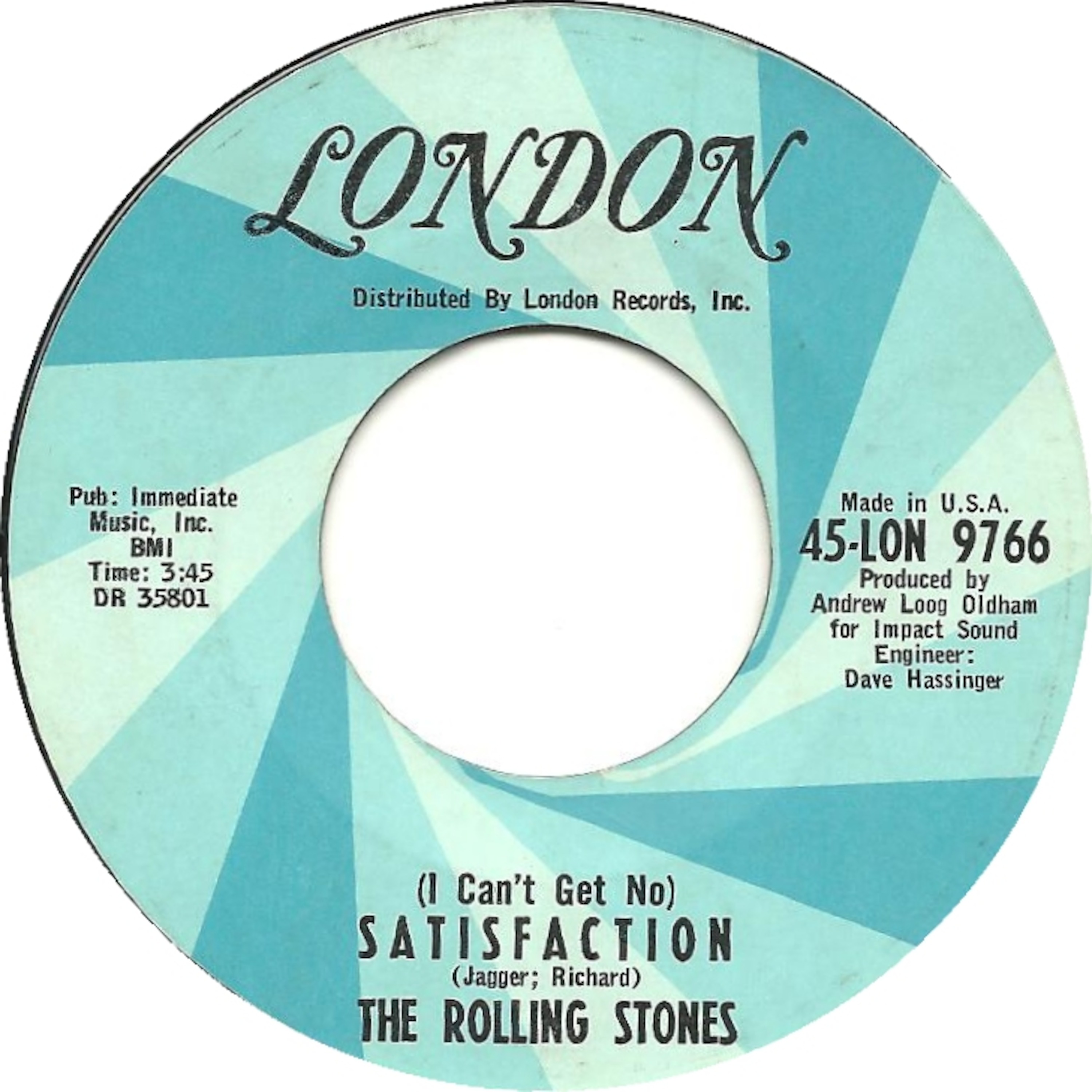
By early 1965, the Rolling Stones had scored a couple of hits, but they were still Just Another British Band Covering a Bunch of American R&B Songs. Then one night Keith Richards literally wrote something in his sleep, and it became the start of something that turned them into a worldwide phenomenon.
Podcast: Play in new window | Download (Duration: 15:44 — 12.7MB)
 As a group, the Thompson Twins went through several permutations of their lineup, with the band’s membership count as high as seven in 1981. But before long they’d pared themselves down to a trio, and did terrible things to their hair, as so many of us did in the 1980s. Except me, but I’ve never been one of the cool kids, so.
 This week we’re taking a look at those early incarnations of one of the bands that helped define the Second British Invasion, and helped bring New Wave music from its post-Punk roots into the Pop mainstream. And that’s about the most Rolling Stone thing I’ve written.
I don’t know where you’ve been getting the show from, but the show is now available on iHeartRadio! You can see the whole thing here. So if that’s your thing, now you have a link to me there as well. Oddly enough, though, iHeartRadio is representing all of the shows’ lengths in seconds as minutes. So this 11:14 show is listed as being 679 minutes. Weird, and I hope that this gets straightened out in a bit.
If you’re using Podcast Republic, or iTunes or something else, you should already have the show in your podcatcher. If you prefer to listen online or to download the episode, you can do that here:
And yes, I know I mis-pronounce “bass” early in the show. I gotta stop recording after midnight.
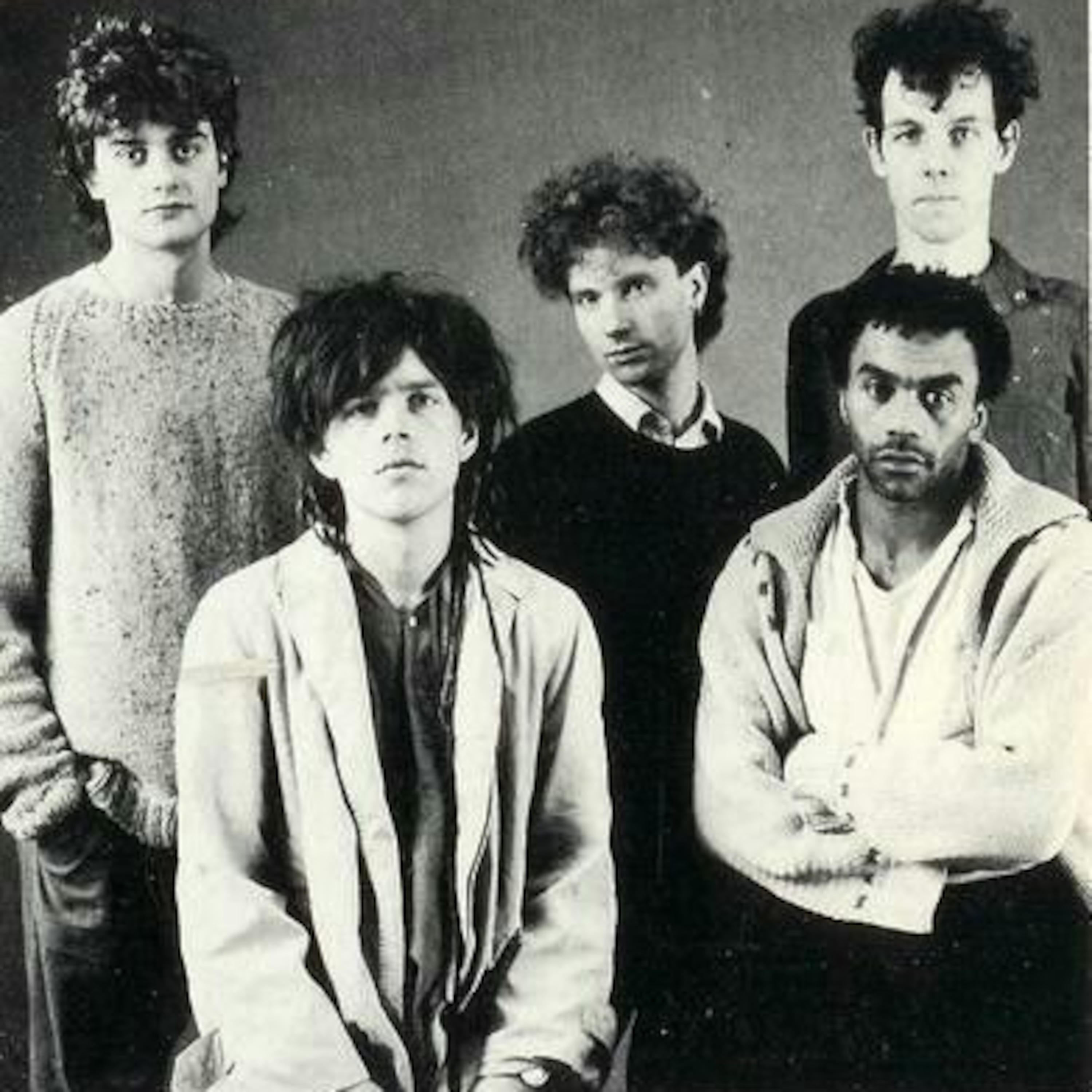
There was nobody named Thompson, and there weren’t any Twins. But they were a part of the Second British Invasion of the 1980s, and this is how they got there.
Podcast: Play in new window | Download (Duration: 11:14 — 9.1MB)
 In the mid 1960s, a group called The Detergents released an album of novelty songs, and a couple of them caught on, but one did especially well, a parody of the Shangri-Las’ “Leader of the Pack.” Among that group was a young man named Ron Dante.
A few years later, Dante was chosen to be the lead voice for a fictional band that was tied in with a cartoon series. That band was The  Archies, and they had a short string of hits, peaking with “Sugar Sugar” in 1969. Dante provided all the male voices on “Sugar Sugar,” and Toni Wine provided all the female voices. So yes, you appear to hear two women—one singing low and the other singing high—but in fact they’re both Toni Wine.
Wine left the group around the time “Sugar Sugar” became a hit, and the female portion of The Archies’ follow-up single was voiced by someone else. You’ll just have to listen in to find out who that was.

If your favorite podcast software doesn’t have it for you already, you can always click below to listen to/download this week’s episode.
Podcast: Play in new window | Download (Duration: 12:40 — 10.2MB)
Oh hey! How Good It Is is listed as a featured podcast on the Podcast Republic app! I’m gonna give them some love for a few weeks, you betcha.
Click here to become a Patron of the show.
 There’s no doubt that Jerry Lee Lewis was a huge influence on the early days of rock and roll. There’s also no doubt that when he married an underage relative, he pretty much torpedoed his hitmaking career.
But his star burned brightly for a little while, and while the jokes continued, he did manage to restore his reputation, and his influence on the genre is undeniable. Elvis Presley once said that if he could play piano like Jerry Lee Lewis, he’d give up singing. And Elton John once said that hearing “Great Balls of Fire” was the first time he’d heard someone “beat the shit out of a piano.”  This time around, however, we’re looking at his first hit, “Whole Lotta Shakin’ Goin’ On”, which has a bit of a checkered past before Jerry Lee got his hands on it. Maybe that’s what made it attractive to him, hm?
Jerry Lee Lewis is enshrined as one of the inaugural inductees to the Rock and Roll Hall of Fame, and it’s a well-deserved place for him to be.
As usual, if your podcatcher isn’t catching pods today, or if you don’t use one, you can always click on the player below to listen and/or download.
Podcast: Play in new window | Download (Duration: 11:45 — 9.7MB)
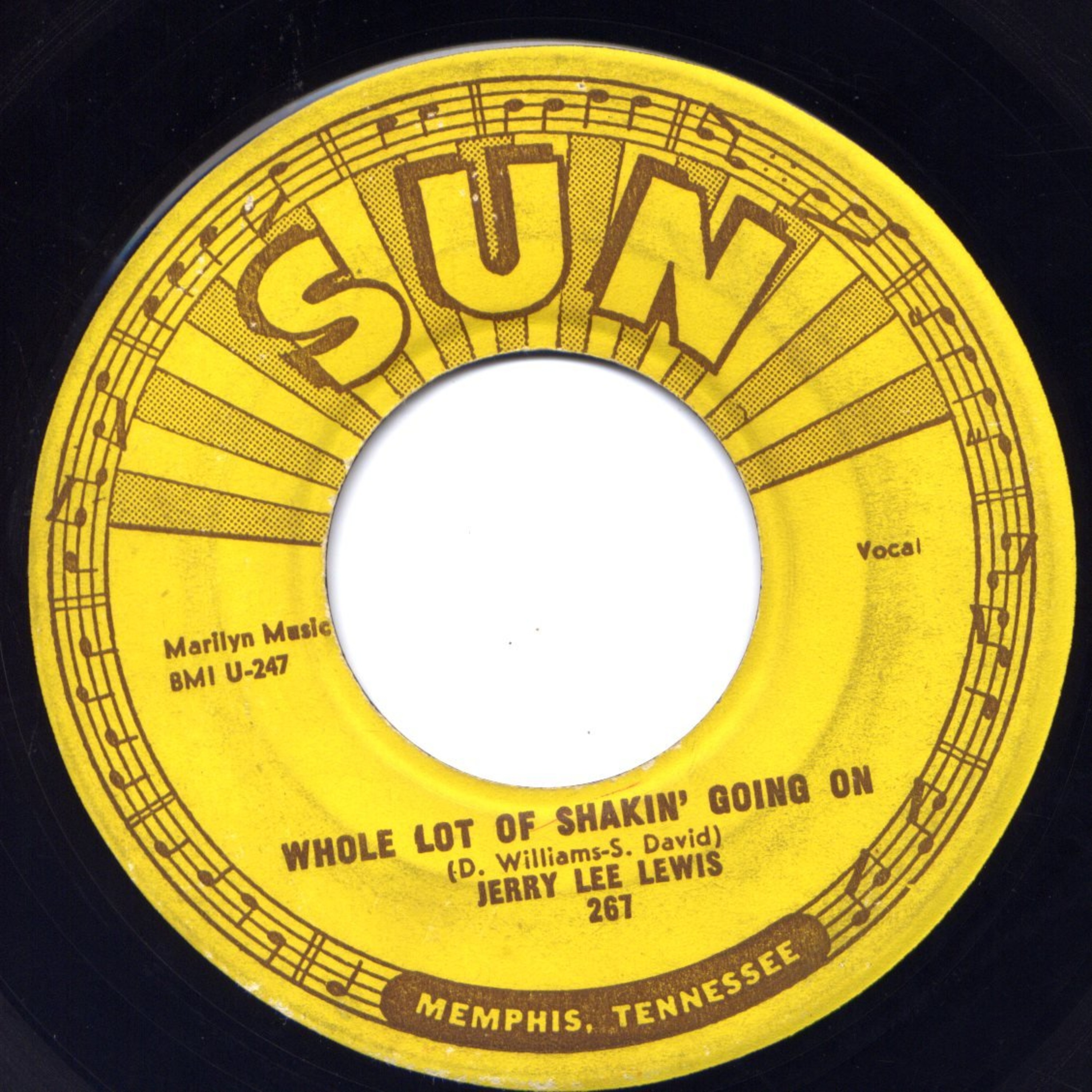
In 1957, Jerry Lee Lewis finally broke out of his role as a session musician at Sun Records, with a song that taught pretty much everyone that there’s another way to play the piano.
Podcast: Play in new window | Download (Duration: 11:44 — 9.7MB)
In November of 1975, an ore freighter broke apart and went down very suddenly in a storm on Lake Superior. Singer Gordon Lightfoot thought that the story wasn’t getting enough attention and gathered some news clippings together, then used that material to write a song about the event.

 The song was recorded within just a few weeks of the tragedy, and was released the following summer. Just a few days after the first anniversary of the sinking, the song hit Number One on the Canadian charts, and peaked at #2 in the US. I have to admit, though, that when the song came out, 13-year-old me had no idea that it was about a recent event. I figured it was either fictional, or it had happened many years ago. Imagine my surprise!

Nowadays, the ship’s location is considered mostly off-limits to all recreational diving and most research dives or equipment, now. It’s also located in a spot in Lake Superior where the border between the United States and Canada has moved several times, now. Right now the ship is on the Canadian side.
What’s that, you say? Your podcatcher hasn’t picked up the show yet? Don’t worry, you can listen to or download it by clicking on the player below. In addition, I hear it’s now available on Google Play, so you can use that if you like. I’m still working on Spotify, but they’re taking their time about it.
Podcast: Play in new window | Download (Duration: 12:00 — 9.7MB)
EDITED TO ADD: Holy cow, I can’t believe I forgot to post the video of the ship’s launching. There’s no audio, more’s the pity. If you’ve never seen a sideways ship launch before, you’re in for a treat because it’s pretty cool in general. The action starts at about three minutes in.
See you next week!
Click here to become a Patron of the show.