
The song that was pretty much a throwaway B Side for Carl Douglas turns into a worldwide hit, and turns Douglas into a one-hit wonder.
Podcast: Play in new window | Download (Duration: 11:44 — 9.5MB)

The song that was pretty much a throwaway B Side for Carl Douglas turns into a worldwide hit, and turns Douglas into a one-hit wonder.
Podcast: Play in new window | Download (Duration: 11:44 — 9.5MB)
 It’s been a long time since I did a show like this one, and the timing probably couldn’t have been worse.
As I note during the show, I’m on the road for the next several days, so I’ve got a condensed version of my usual recording setup. I can get the job done, but the recording and the editing process are very, very different from what I usually do. Typically after I write the episode I edit all my sound elements and then load them all into a piece of software that keeps them organized until I need them. Then I crack the mic open and play the elements as they’re needed. If I make a huge mistake, I have to find a point where editing won’t show. Because there’s usually background sound going on, I sometimes have to backtrack a lot. But generally it takes me 30-40 minutes to record a 15 minute show. Do a little editing and boom, it’s ready for processing and uploading.
This time around, it’s a gigantic jigsaw puzzle of my recorded voice, plus all the other elements patched in. Plus I have to control audio levels through software rather than through my mixing board, so it’s a whole other kind of thing. And maybe it’s me but recording this way kind of saps some of my vocal energy out of the project.
So after nearly a year, we return to the Well of Cover Songs, wherein we look at songs that you may not realize are covers of another artist’s work. And in my opinion, in each of these cases, the cover is the superior version. That’s not something you can always say (and I cite a specific example during the show).
At any rate, after a few hours of overtime, here’s Episode 82.
Podcast: Play in new window | Download ()
Click here for a transcript of this episode.

Happy Father’s Day! I’m releasing this episode a little early so I can spend the day Sunday with my family. Our plan is to go to the Smithsonian’s Museum of American History. I’m hoping to see Lynda Carter’s Wonder Woman costume and a Batmobile. I hear there’s a terrific collection of musical instruments, including Steve Cropper’s guitar and Herbie Hancock’s keytar. Who knows, maybe the Musitron is in there!
Don’t know what that is? You need to listen to the show, post-haste. Get clicking.
Next week’s show (Under the Covers, Part 4) may be a little late because I’ll be on the road to a family event. You Have Been Warned.
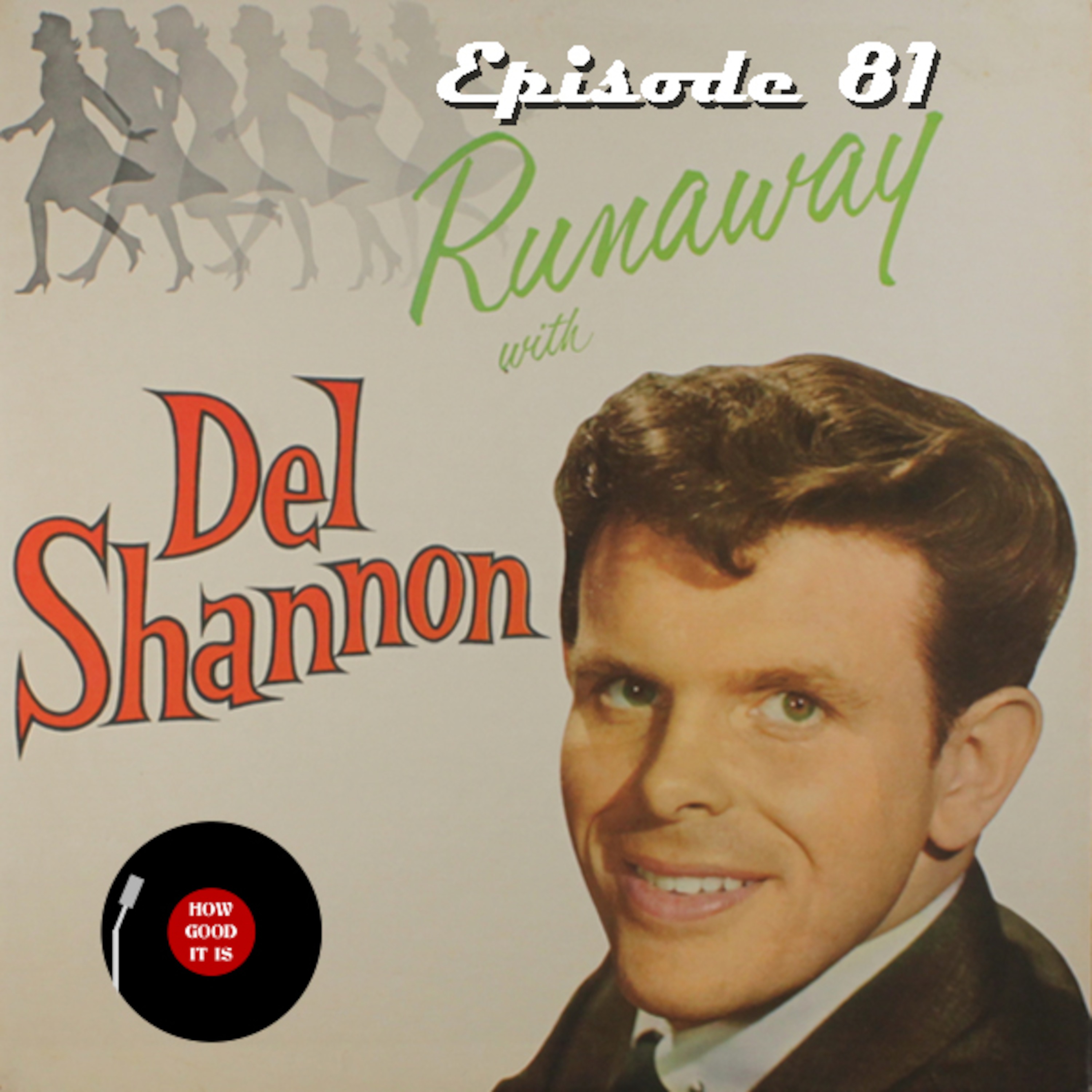
Del Shannon’s first and biggest hit got its distinctive sound from a musical instrument that his keyboard player pretty much invented.
Podcast: Play in new window | Download (Duration: 13:44 — 11.1MB)
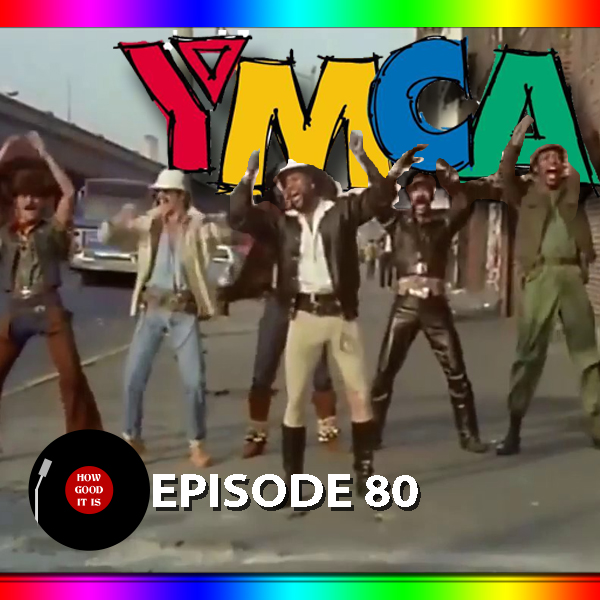
Yeah, I know it’s supposed to be spelled with periods, but that really screwed with the file names, so let’s all just live with it, OK?
Victor Willis was hired on to be the voice of the Village People, but like Ron Dante and The Archies, he was pretty much all there was to the band until they needed to put in some live appearances. So, like The Monkees, a casting call went out. Sure, the criteria for being in the Village People were a little different from being in The Monkees, but most of the group was cast based on their ability to dance (and, presumably, grow a moustache) rather than on their musical talent.
But as a result of this, and the fact that Willis was a writer or co-writer on most of the Village People’s biggest hits, the group has gone through some lengthy legal hassles in recent years. In 2012 he regained some control over the tracks, and in another lawsuit he stopped performance of that year’s incarnation of the band when he discovered that recordings involving him were being used to promote the show. Recently–just a few weeks ago–he announced that he was going to re-boot the group, which also includes finding new characters to play the various parts.
But enough nonsense. Listen to the show and enjoy the effect that all the pollen in Baltimore is having on my voice.
Podcast: Play in new window | Download (Duration: 15:00 — 12.8MB)
Incidentally, here is the American Bandstand clip. From everything I’ve heard about Dick Clark, I’d be willing to bet that he was the one who caught the kids’ actions and told the tech crew to capture them on camera so that he could not-so-subtly coach the group into adopting the arm letters. .
Click here for a transcript of this show.

Let me mention up front that this episode was inspired by an Instagram friend of the show, who suggested that I cover a Paul Simon song. Somehow our messaging bollixed up, but yes: I realized that this is an act I should have visited a long time ago. So thanks for the nudge.
For a weekend where most people are expected to take it kind of easy, with the beaching and the barbecuing and remembering those who died so that we could do the first two, this has been a very hectic weekend for me, hence the late delivery of this week’s show.
This was definitely one of those episodes where, the more research I did, the more there was to see. And then it got really complicated, and I had to move stuff around…and in the end, the writing still took about as long as it usually does, so that was kind of weird-yet-relieving.
1970’s Bridge over Troubled Water was the last studio album for Simon and Garfunkel. Sure, they reunited several times for live performances, some of which were recorded and released, but their last studio collaboration, in 1975, yielded only the single “My Little Town,” which appeared on Still Crazy After All These Years (for Simon) and Breakaway (for Garfunkel). Even the B-side of “My Little Town” had two short solo tracks on it.
But, like so many of the final projects of the great artists from the rock era, Bridge Over Troubled Water was an immense piece of work, with the duo doing their best to stretch their sound both sonically and technologically. They were fracturing as an act, but the quality of their collaboration on this album is undeniable. And I’d argue that you can’t even say that about The Beatles.
And it began with this track, which was released in March 1969, nine months before the rest of the album. It’s deceptive in that the listener probably has no idea just how complicated this record is. Fortunately for you, in a few minutes you’ll be standing a little closer to the truth. So here’s this week’s show, for your listening or downloading pleasure:
And, of course, please share the show with someone you think might enjoy it, and leave a rating somewhere.
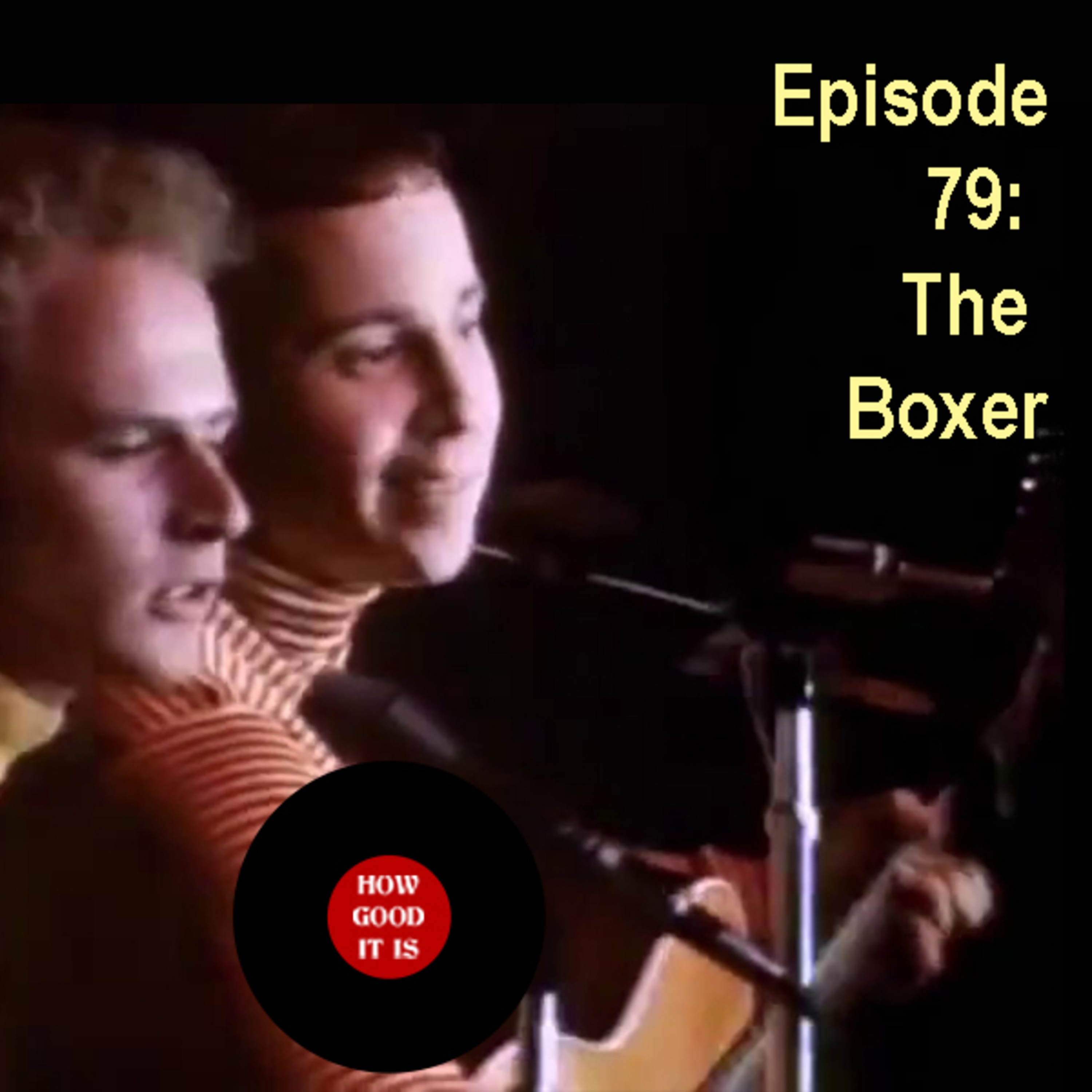
The first single from Simon and Garfunkel’s final studio album wasn’t their biggest hit, but technologically it was their most ambitious.
Podcast: Play in new window | Download (Duration: 16:44 — 13.5MB)
Click here for a transcript of this episode.
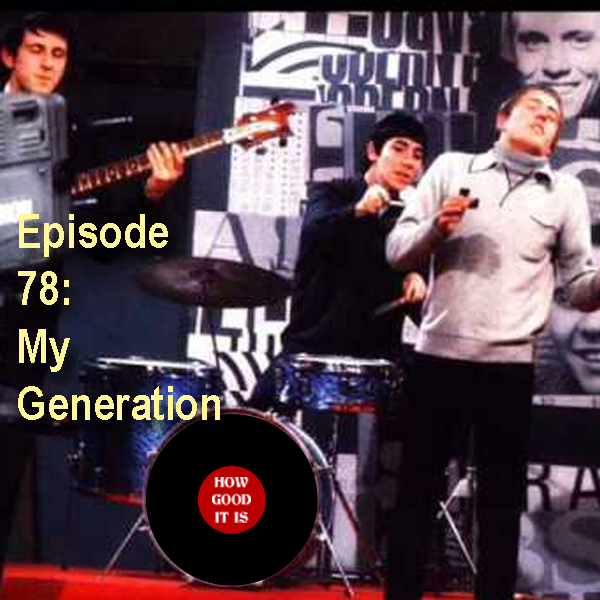
The Who was gaining popularity in the UK, but they hadn’t reached the point of having huge amounts of money yet. So when Pete Townshend found himself accidentally(ish) living in a posh neighborhood near Buckingham Palace, he noticed that everyone around him was treating him badly. So on his twentieth birthday, while sitting on a train, he composed this song, as a means of getting back at all the rich people who were mean to him.
Why didn’t I think of that!? Oh, well.
Here, incidentally, is their performance during which Townshend nearly gets his head blown off. Unfortunately there doesn’t appear to be a clip of the entire performance.
Here’s this week’s episode for your listening and/or downloading pleasure:
Podcast: Play in new window | Download (Duration: 14:45 — 12.6MB)
Finally, this is the artwork related to the trivia question for this episode. If you’ve heard the episode and you want to see what I’m talking about, click the button to show the art. If you haven’t heard it yet, go back and listen first. It’s OK, we’ll still be here for you.Incidentally, I’ve gotten several positive comments and suggestions from listeners and I really appreciate them. Keep them coming!
Click here for a transcript of this show.

The Great Society was one of a number of 1960s bands with that name, but the thing that makes this one distinctive is that it had a singer by the name of Grace Slick. They were playing in clubs in the San Francisco area, and frequently opened for another local band by the name of Jefferson Airplane. When the Airplane lost their lead singer (on generally good terms), Marty Balin reached out to Grace Slick, and she accepted their offer, not knowing that Columbia Records was about to offer the Great Society a record deal. But it was this incarnation of the Jefferson Airplane that finally broke through to the public, and they pretty much stayed that way until a couple of members left in 1970 to form Hot Tuna. Eventually they regrouped and, in 1974, upgraded their technology (I guess?) to become Jefferson Starship.
I should note that while I often use digital sources (CDs or streaming downloads) for the music on this show, in this case both of the Great Society tracks I play in this episode came from a vinyl album I discovered in a thrift store in Selma, NC, titled San Francisco Roots, which is a compilation of music from bands based out of that area in 1964-65. I’ve run them through a little noise reduction, but it’s still pretty clear that you’re getting some surface noise on this one.
And as usual, here is the file for your downloading/listening pleasure.
If you’re enjoying the show, please bear that in mind when I start begging for money. Also, maybe share it out with like-minded people and leave a rating on your favorite podcast software. It doesn’t really do much for my visibility, but it’s a nice ego boost.
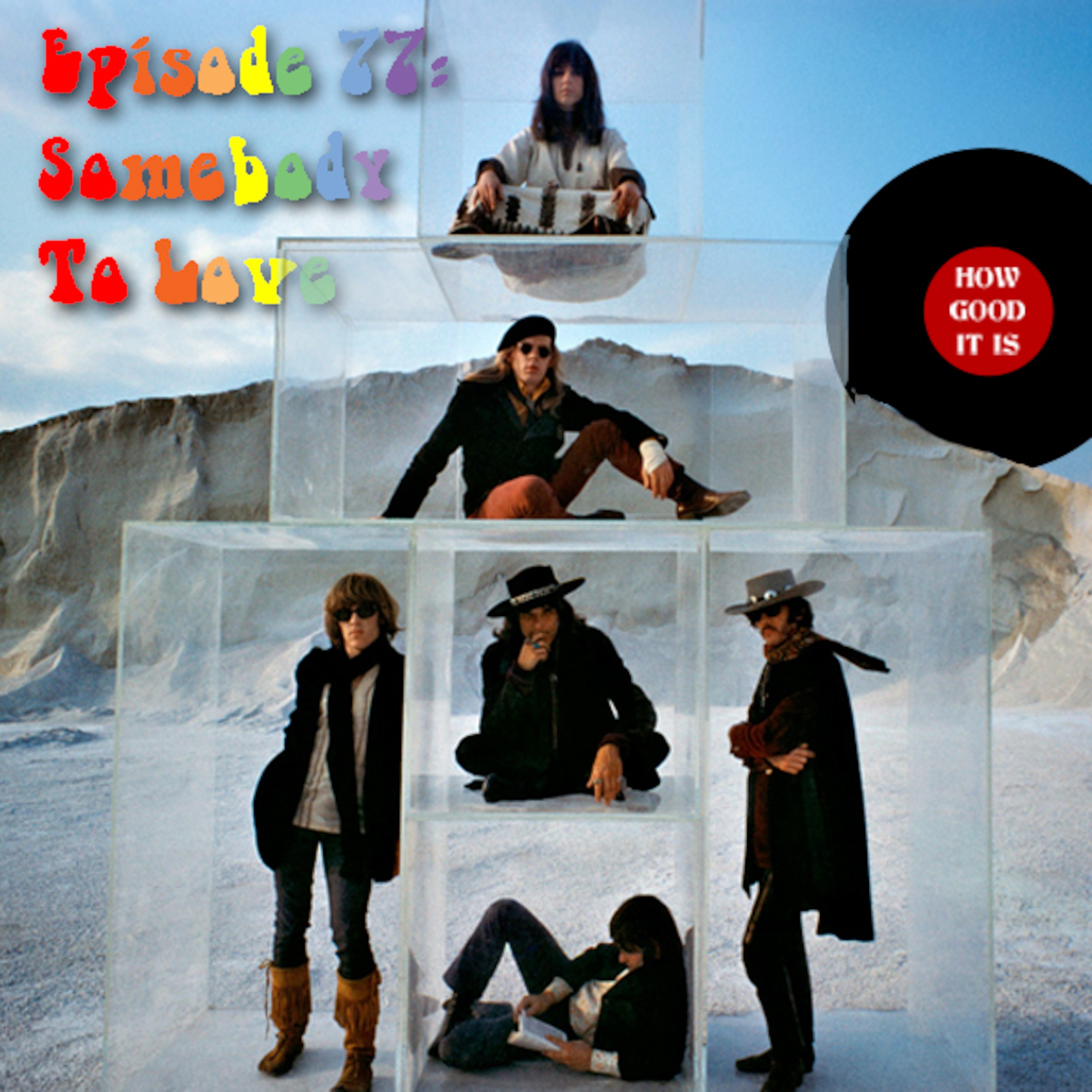
Jefferson Airplane’s breakout hit was written by Grace Slick’s brother-in-law and first performed by her in a band formed by her then husband. Ain’t nothing but a family thing.
Podcast: Play in new window | Download (Duration: 14:29 — 11.7MB)
