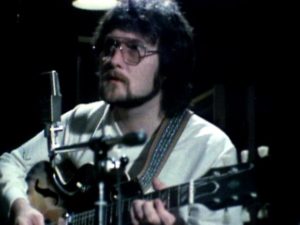
Gerry Rafferty was pretty much a known element to music fans as the voice behind Stealers Wheel and the song “Stuck In The Middle With You,” but by the time that song came out, Rafferty had quit the band, which had to shoot the promotional film (they weren’t quite called “videos” yet) without him. The guy lip-synching the vocals is Rafferty’s partner Joe Egan. Shortly afterward, Egan talked Rafferty into coming back into the band, and they managed to put together their contractually-required third album.
Rafferty and Egan split up again, and the legal battles prevented both of them from recording for three years. But that didn’t prevent Rafferty from writing songs in the interim. And it’s pretty clear that “Baker Street” was a reflection of his mood through all the legal craziness that went on.
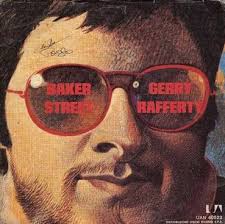
But while the song was a huge hit internationally, there are two pockets of controversy surrounding it. One stems from that haunting saxophone solo, and the other comes from the fact that, at the time, no other song had spent as much time in the Number 2 position on the Billboard Hot 100 chart without ever reaching Number 1. (The “Most weeks at #2” record has been surpassed many times since then, but the six weeks that “Baker Street” spent there was the record in 1978.)
As usual, if you have Podcast Republic or some other podcatcher, you should already have the show, but if you prefer to listen or download from here, feel free:
Podcast: Play in new window | Download (Duration: 15:00 — 12.1MB)
Let me give an extra shout-out to Co.Ag Music, a YouTube channel that provided some of the moody music near the end of this week’s show. They’ve got some cool stuff going on over there, especially if you like music with a science fiction bent to it.
No show next week! I’ll see you on July 21 with something really special (no hints)!
 Eddie Cochran’s premature death in an auto accident cemented him as forever young in his fans’ minds. And it didn’t hurt the story that he died protecting his girlfriend from harm.
 Seeley reported that Cochran threw himself across her to protect her, and the impact threw him upward against the roof of the car and then out the door, which had sprung open. Gene Vincent had broken his collarbone and re-injured his left leg, which he’d broken badly in 1955. The accident left him with a limp he’d have for the rest of his life.
 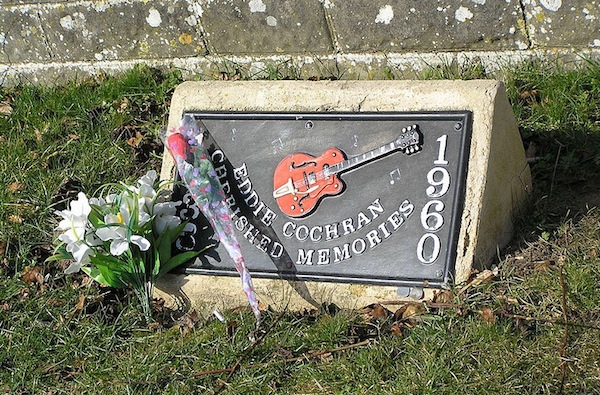 Seeley and Thompkins walked away with minor injuries, but Cochran received a serious brain injury and died a few hours later in a hospital. To this day there’s a memorial marker on the spot.


 “Under the Boardwalk” was recorded the day after their lead singer Rudy Lewis died. They recruited a former member from several years ago, and before long a new version of the group had cranked out their second-biggest hit.

 In 1971, Don McLean was a known artist but hadn’t yet hit it big with “American Pie.” Lori Lieberman was a 19-year-old singer-songwriter who’d recently scored a contract. Lieberman attended one of McLean’s shows and she was so struck by his performance
 While the song was covered numerous times, including versions by artists as diverse as Perry Como and Michael Jackson, it wasn’t until The Fugees put together a hip-hop cover that the song gained new life. Lauryn Hill’s singing gives the song an extra emotional ache, perhaps because their original idea was to turn the song into a cautionary tale about substance abuse, an idea that the original writers didn’t support.

 In 1975 Aerosmith was pretty much just another rock band with a modest hit, but when they got writer’s block, a trip to a Mel Brooks movie inspired them to come up with a title, and then Steven Tyler wrote the lyrics over the next day or so–twice, as the story goes. The song was a hit, and ten years later, it was a hit again when Aerosmith teamed up with rap act Run-DMC to cover the song. Check out the video; it’s fun, it’s very creative, and you barely notice that most of the band is missing:
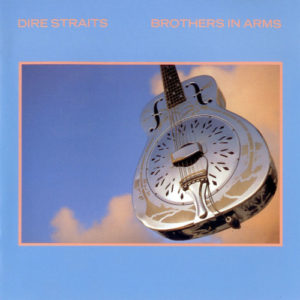
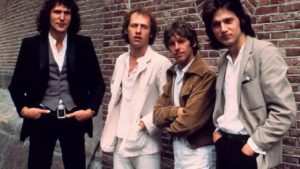 While I’ve made the joke in the past about a band taking ten years to become an overnight success, Dire Straits was successful almost from the jump. After a false start with EMI records, the band found a friend in a BBC disc jockey to whom they’d merely turned for advice. That DJ liked what he heard and started playing their stuff, which turned into a contract with a local label, and which they parlayed into a contract with Warner Brothers Records. And all of it in about the space of a year.